
Lost for words?
What’s possible when we find the language for what we’ve swallowed?
Talks, performances and workshops that explore the messy business of being human – and help people find words for the things we don't always know how to say.
The way we say the world is the way we see the world
You understand emotional resilience. You know about emotional flexibility. Yet when it comes to talking about feelings, human to human, sometimes it feels as though you've got marbles in your mouth.
So you meet "How are you?" with "Fine".
You plaster over disappointment, grief and fear with phrases like "I'm struggling with my mental health".
Self-understanding is mute without the tools for self-expression.
What happens when our everyday language doesn't fully express our human experience?
We swallow our words. Somewhere along the way, the art of being human gets lost in translation.
Then we struggle to articulate what we are thinking and feeling, and end up:
Avoiding difficult conversations
Becoming defensive
Overworking to prove our worth
Struggling to set boundaries
Withdrawing altogether
The answer? Poetry.
There is a reason we reach for poetry at the most emotionally significant moments of our lives - at weddings, funerals, and other significant turning points. When everyday speech leaves us lacking, poetry can help us find a way through.
what people say…
So, what happens when we give words to the things we've swallowed?
We make room for different conversations. We discover new ways of expressing what it means to be human. And sometimes, we recognise something in someone else's words that we hadn't quite been able to say ourselves.
That's where my work begins.

Jacky Power
Therapeutic poet, speaker and workshop facilitator, MSc Addiction Psychology, MBACP (registered member).
What i bring
I bring poetic techniques and psychological insights to help people find the exact language for their lived experience. We explore how our relationship with language and emotions shapes the way we communicate, respond to challenges and relate to others. My talks, performances, and workshops centre around three distinctive ways of understanding ourselves and others:
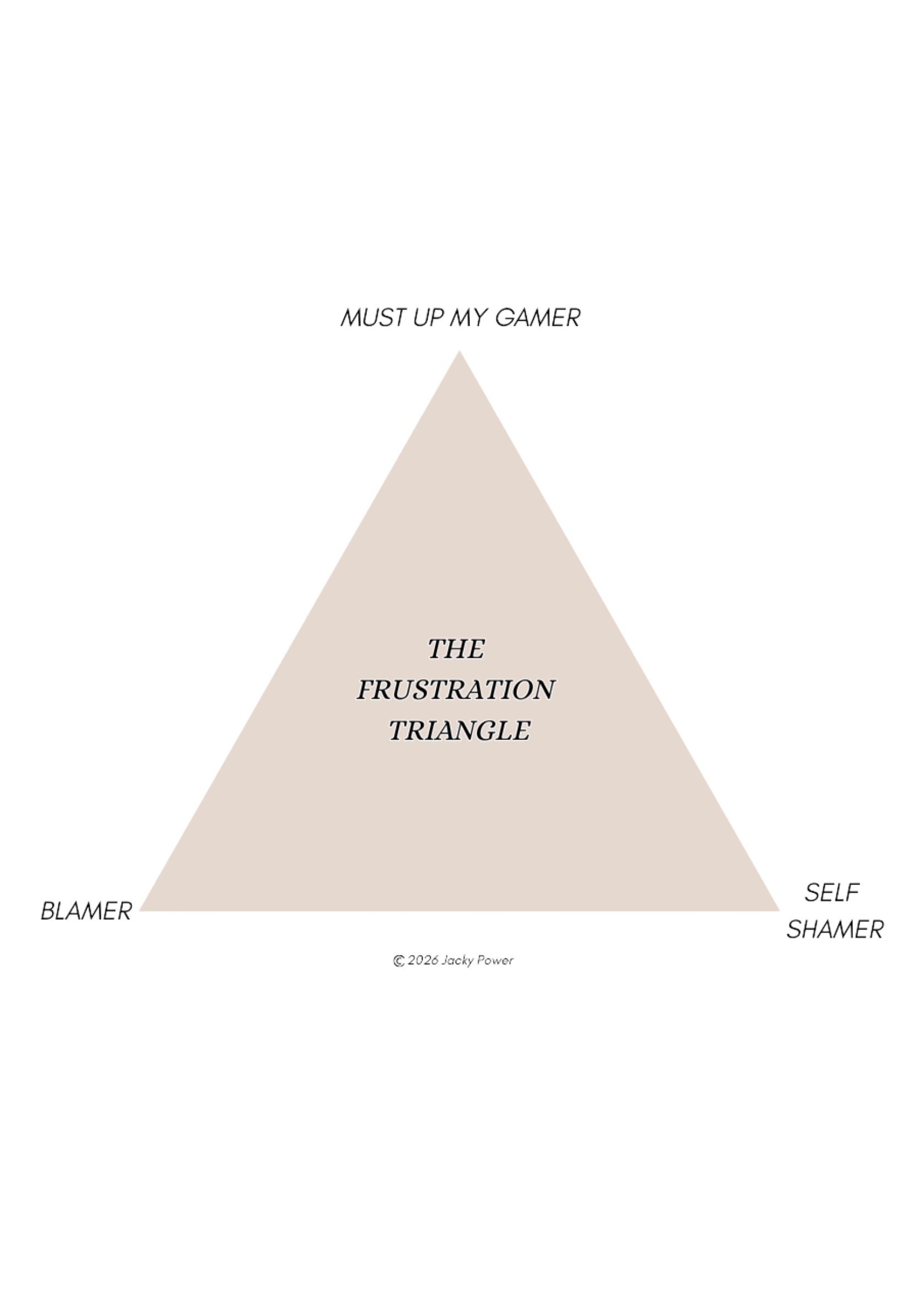
The Frustration Triangle: A recognisable framework for understanding how we respond when things go wrong - by becoming the Up Your Gamer, Blamer or Self Shamer.
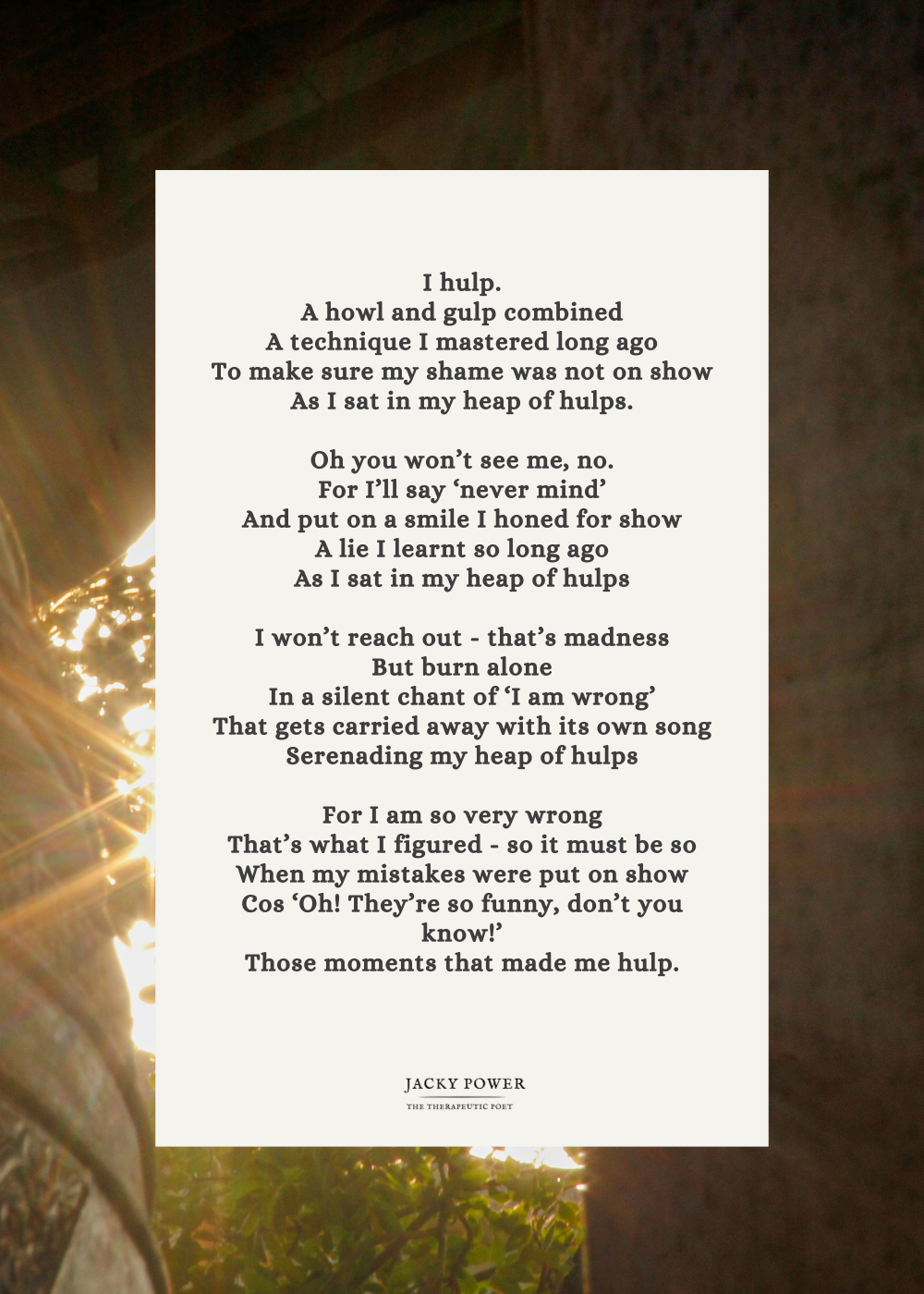
HULP: A memorable word for a familiar, but often unspoken experience. The combination of a howl and a gulp, when we desperately want to express something but swallow it back down.
Feelings as signposts: A fresh approach to understanding common human emotions such as disappointment, grief, fear, anger and envy. Rather than simply trying to feel better, we learn to recognise what our feelings might be telling us, what we need and how to move forward.
This isn't about dwelling on emotions, indulging them or treating them with reverence. It's about learning to acknowledge what we're experiencing, understand the messages within it and find constructive ways forward without becoming lost in our feelings.
Speaking, performances & workshops
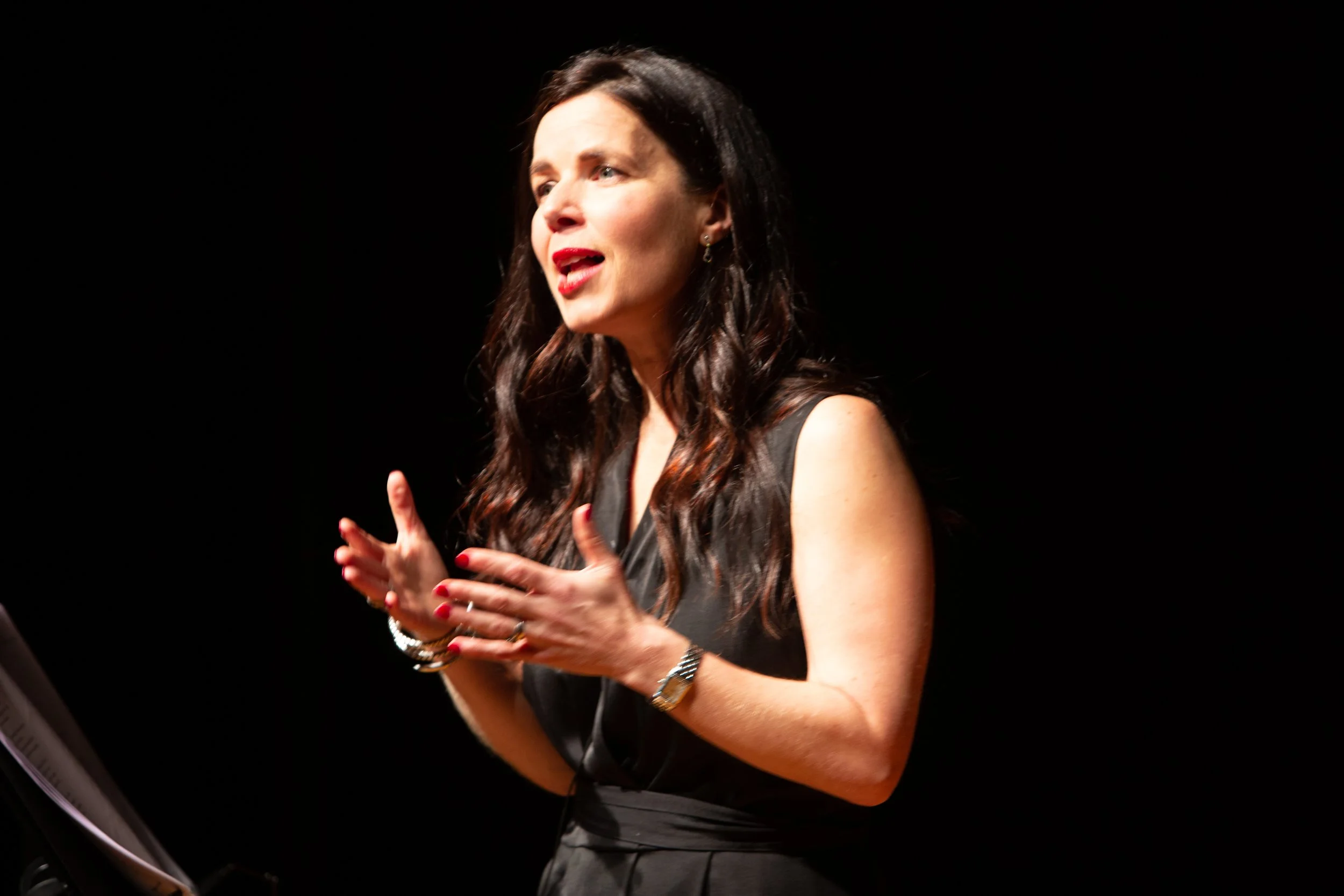
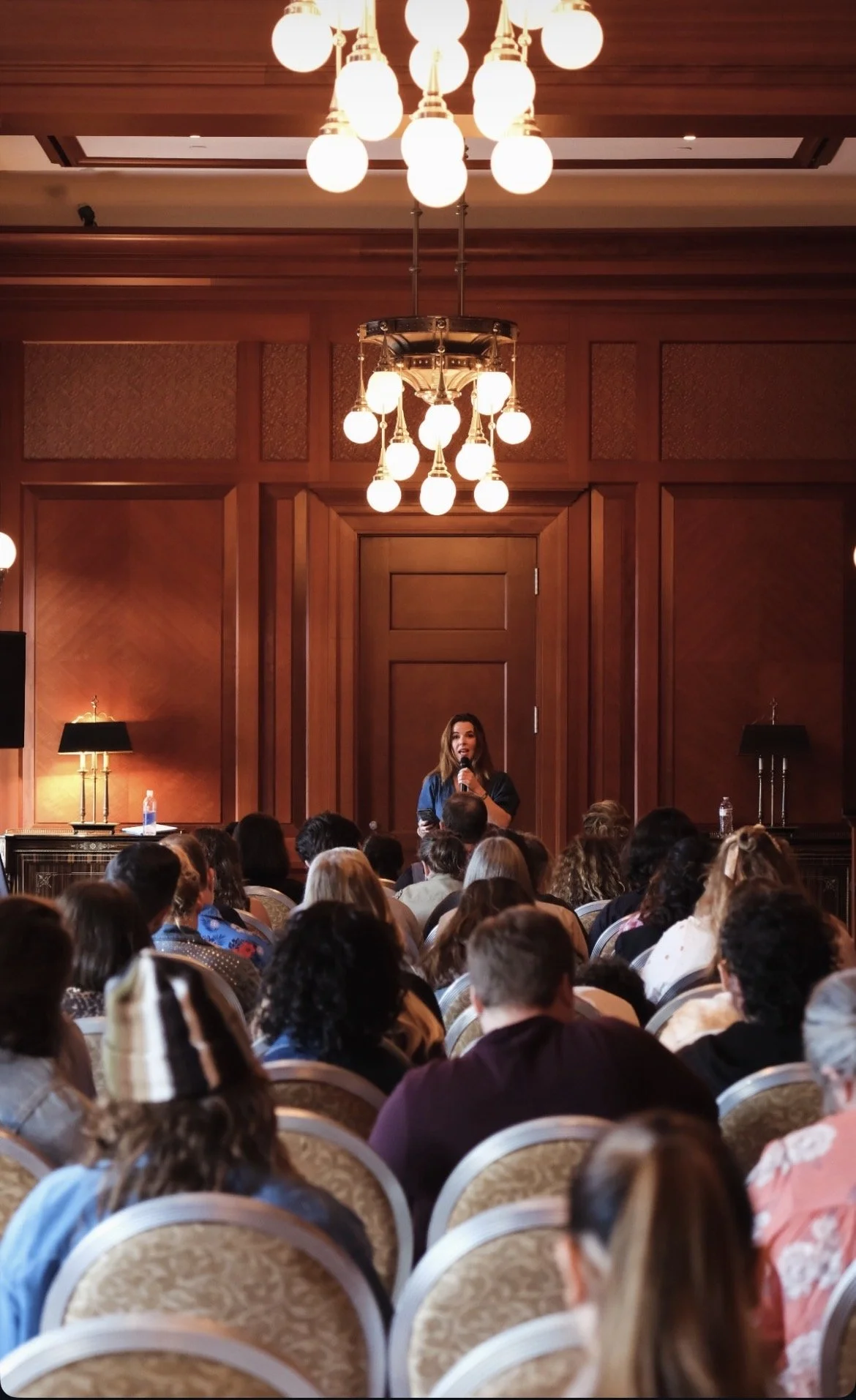
Speaking & Performances
Workshops & Experiences
This kind of thinking sits at the heart of my work: getting curious about our behaviour and emotions, and using language, poetry and creativity to create memorable anchors that help us make sense of ourselves and our experiences.
One of the times we get most lost for words is when we're frustrated.
When you feel frustrated, the unconscious beliefs you've been carrying around for years can influence your behaviour far more than you realise. Based on our particular unconscious beliefs we often do one of three things: look for someone to blame, have a go at ourselves or try harder to make things alright.
I call these three familiar predictable responses the Blamer, the Self-shamer and the Up My Gamer. .
Blame keeps us stuck in resentment.
Self-shame keeps us paralysed.
Upping your game just exhausts you without addressing what's going on underneath.
Each way of thinking is a component of what I call the Frustration Triangle.
What if your frustration was trying to tell you something?
What if, instead of automatically blaming someone else, turning on ourselves or trying harder, we got curious about the needs underneath those responses?
By recognising the beliefs and unmet needs driving these patterns, we can begin to see things differently. We have more choice about how we respond, and the possibility of moving from frustration towards freedom: making decisions based on what's actually happening, rather than the stories running on autopilot in the background,